At Carrier’s Custom Crating, we follow a proven process that removes guesswork, clarifies responsibility, and ensures every crate, skid, or package is built to perform the way it’s supposed to, the first time. We’ve refined this process through years of real-world projects across industries, shipment types, and timelines.
Every project starts with a short conversation. We’ll ask clear, practical questions to understand:
Why this matters: This step ensures we’re solving the right problem before anything is priced or built. It also helps identify early if the project requires:
After the call, if needed we will come to you or you send us:
This information becomes the basis for the build.
Why this matters: Accurate specs prevent rework, delays, and last-minute changes that cost time and money.
Our project manager reviews the details, confirms what’s required, and provides a clear, accurate quote.
If there are options, such as different crating methods or packaging approaches, we’ll explain them so you can make an informed decision.
Why this matters: This step aligns scope, pricing, and expectations before work begins.
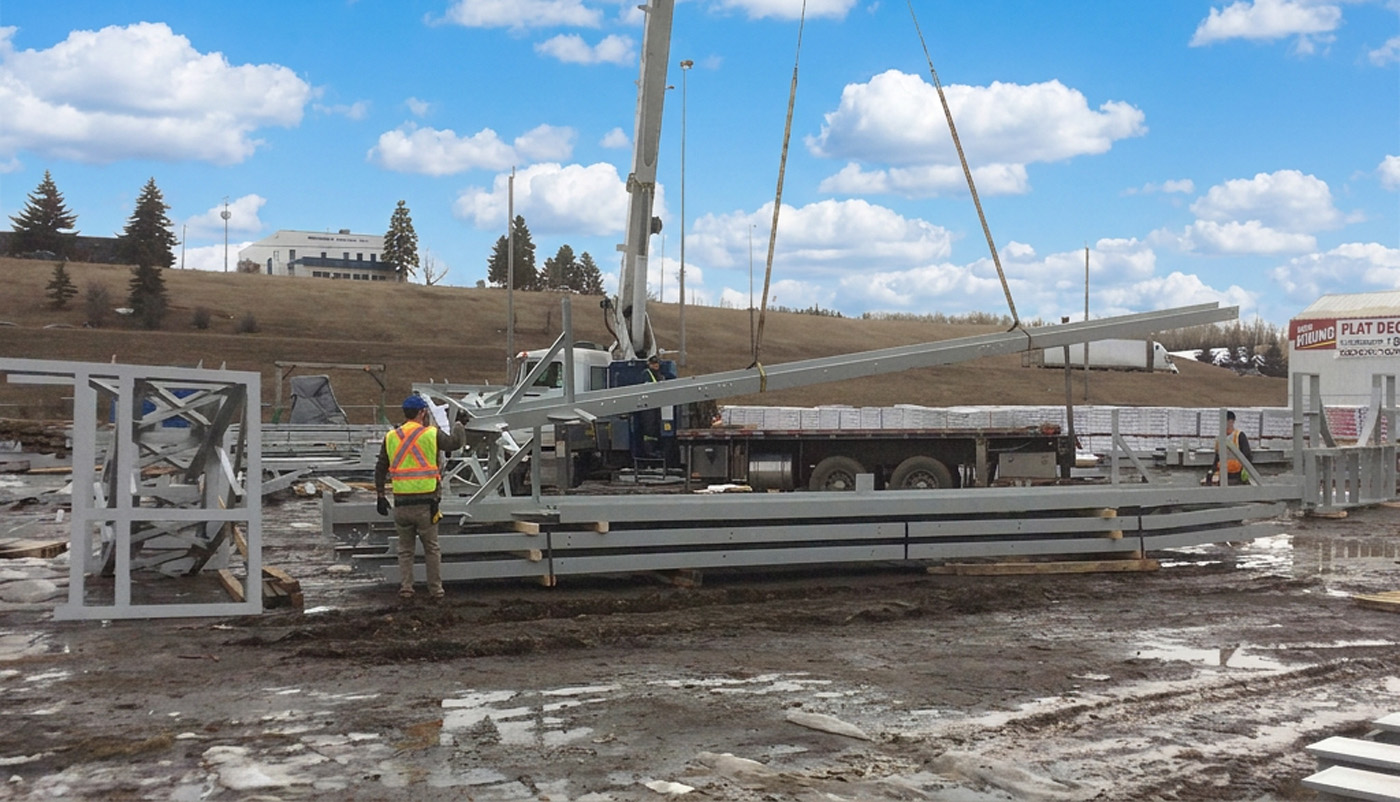
For oversized, complex, or high-risk equipment, we confirm measurements and handling requirements along with available lifting equipment on site before building.
Why this matters: Verifying details in advance prevents fit issues, handling problems, and delays later in the process.
Once scope and specifications are confirmed, we move into build and packaging. Depending on your equipment, space, and timeline, we use one of several proven approaches.
In many cases, packaging at our facility is the simplest option, especially when space is limited or equipment can’t be easily staged on site. We’ll recommend the most efficient approach based on your situation.
Common approaches include:
Each method follows the same standards for fit, protection, and compliance. The difference is simply where the work happens.
Why this matters: This flexibility allows projects to move forward even when space, handling, or staffing constraints exist, without compromising quality or timelines.
This process exists to eliminate:
It’s how we keep projects on schedule, protect equipment, and deliver consistent results, whether it’s a one-off shipment or an ongoing program.
If you’re planning a shipment and want to make sure it’s done right from the start, the first step is a conversation.